Union Education Minister Reviews School Education Schemes at State & UT Ministers’ Conclave
Full Telugu News Article
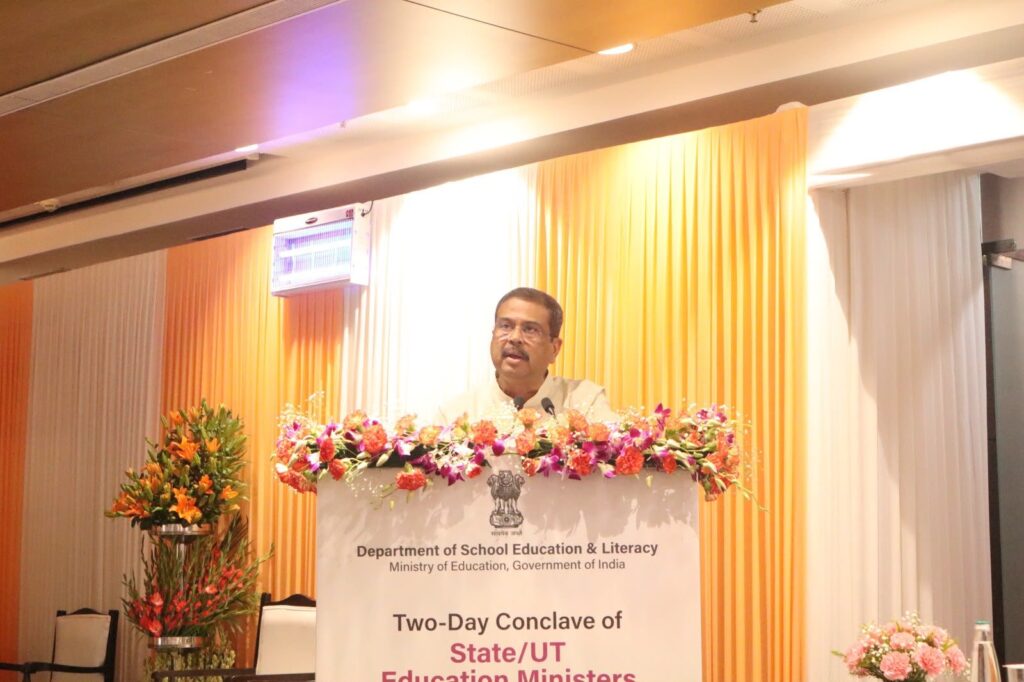
కేంద్ర విద్యాశాఖ మంత్రి ధర్మేంద్ర ప్రధాన్ రాష్ట్రాలు, కేంద్ర పాలిత ప్రాంతాల విద్యాశాఖ మంత్రులతో నిర్వహించిన రెండు రోజుల సదస్సు తొలి రోజుకు అధ్యక్షత వహించారు. పాఠశాల విద్య మరియు అక్షరాస్యత విభాగం అమలు చేస్తున్న కేంద్ర ప్రాయోజిత పథకాల పురోగతిపై ఈ సమావేశంలో సమీక్ష నిర్వహించారు.
సమగ్ర శిక్ష, PM SHRI, నిపుణ్ భారత్, PM పోషణ, ఉల్లాస్ వంటి పథకాల అమలు పురోగతిని మంత్రి సమీక్షించారు. విద్యా రంగంలో ఇప్పటివరకు సాధించిన పురోగతిని కొనసాగిస్తూ రాష్ట్రాలు, కేంద్ర పాలిత ప్రాంతాలు పరస్పర సహకారంతో మరింత సమర్థవంతంగా పనిచేయాలని ఆయన సూచించారు.
ప్రాథమిక అక్షరాస్యత, సంఖ్యా పరిజ్ఞానాన్ని బలోపేతం చేయడం, ఉపాధ్యాయులను మరింత సామర్థ్యవంతులను చేయడం, సాంకేతికతతో పాటు కృత్రిమ మేధస్సు (AI) వినియోగాన్ని విస్తరించడం, ప్రతి విద్యార్థి సమగ్ర అభివృద్ధికి కృషి చేయడం అవసరమని కేంద్ర మంత్రి పేర్కొన్నారు.
జాతీయ విద్యా విధానం–2020 (NEP 2020) లక్ష్యాల సాధనలో కేంద్రం, రాష్ట్రాల సమన్వయం కీలకమని ఆయన తెలిపారు. విద్యా నాణ్యత పెంపు, సమగ్ర అభ్యాసం, ఆధునిక బోధనా విధానాల అమలుపై సమావేశంలో విస్తృతంగా చర్చించారు.
Full English News Article
Union Minister for Education Dharmendra Pradhan chaired the first day of the two-day Conclave of State and Union Territory Education Ministers to review the implementation of Centrally Sponsored Schemes under the Department of School Education and Literacy.
During the meeting, the Minister reviewed the progress of flagship initiatives, including Samagra Shiksha, PM SHRI, NIPUN Bharat, PM POSHAN, and ULLAS. He appreciated the progress achieved and urged States and Union Territories to continue working in close coordination to improve the quality of school education.
Pradhan stressed the importance of strengthening foundational literacy and numeracy, empowering teachers through capacity building, leveraging technology and Artificial Intelligence (AI) in education, and ensuring the holistic development of every learner.
He said collaborative efforts between the Centre and States are essential for achieving the objectives of the National Education Policy (NEP) 2020 and enhancing learning outcomes across the country.