English News Headline
RBI New Rules for Digital Payments from April 1 Enhance Security in Telangana and India
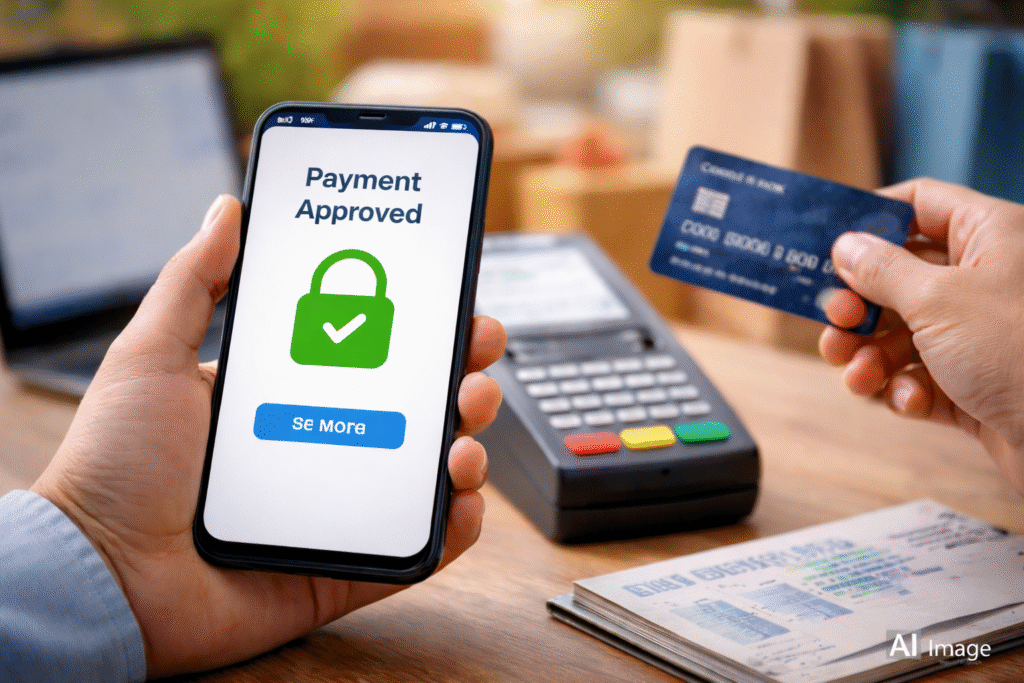
Full Telugu News Article
డిజిటల్ లావాదేవీలు చేసే వినియోగదారుల భద్రత కోసం రిజర్వ్ బ్యాంక్ ఆఫ్ ఇండియా కొత్త నిబంధనలు తీసుకొచ్చింది. ఏప్రిల్ 1, 2026 నుంచి ఇవి అమలులోకి రానున్నాయి.
ప్రస్తుతం తెలంగాణ సహా దేశవ్యాప్తంగా యూపీఐ, మొబైల్ బ్యాంకింగ్ వినియోగం పెరిగిన నేపథ్యంలో సైబర్ మోసాలు కూడా పెరుగుతున్నాయి. ఈ పరిస్థితిని దృష్టిలో పెట్టుకుని ఆన్లైన్ చెల్లింపులను మరింత సురక్షితంగా మార్చేందుకు ఈ మార్పులు తీసుకొచ్చారు.
కొత్త నిబంధనల ప్రకారం అన్ని డిజిటల్ లావాదేవీలకు మల్టీ-ఫ్యాక్టర్ అథెంటికేషన్ తప్పనిసరి. కేవలం పాస్వర్డ్ లేదా ఓటీపీ సరిపోదు. వినియోగదారుడు కనీసం రెండు భద్రతా ప్రమాణాలను ఉపయోగించాలి. ఉదాహరణకు పిన్, ఓటీపీ, బయోమెట్రిక్ వంటి విధానాలను కలిపి వినియోగించాల్సి ఉంటుంది.
హైరిస్క్ ట్రాన్సాక్షన్ల విషయంలో బ్యాంకులు అదనపు తనిఖీలు నిర్వహించాలి. ప్రతి ట్రాన్సాక్షన్కు ప్రత్యేక అథెంటికేషన్ ప్రక్రియ ఉండేలా మార్పులు చేస్తున్నారు. దీంతో అనధికారిక లావాదేవీలను అరికట్టే అవకాశం ఉంటుంది.
ఇకపై ప్రతి లావాదేవీకి సంబంధించి వినియోగదారులకు వెంటనే ఎస్ఎంఎస్, ఇమెయిల్ లేదా యాప్ నోటిఫికేషన్ అందేలా బ్యాంకులు చర్యలు తీసుకోవాలి. అలాగే కార్డు వివరాల భద్రత కోసం టోకనైజేషన్ వ్యవస్థను మరింత బలపరుస్తున్నారు.
ఆటో డెబిట్ లేదా సబ్స్క్రిప్షన్ సేవల విషయంలో వినియోగదారుడి ముందస్తు అనుమతి తప్పనిసరి. అదనపు ఛార్జీలు విధించే ముందు రిమైండర్ పంపాలని బ్యాంకులకు ఆర్బీఐ స్పష్టం చేసింది.
ఈ మార్పులు దీర్ఘకాలంలో వినియోగదారుల ఆర్థిక భద్రతను మెరుగుపరుస్తాయని నిపుణులు చెబుతున్నారు. తెలంగాణలో డిజిటల్ చెల్లింపులు చేసే ప్రజలు ఈ కొత్త నియమాలను గమనించి జాగ్రత్తగా వ్యవహరించాలని సూచిస్తున్నారు.
Full English News Article
The Reserve Bank of India has introduced new rules to enhance the security of digital payments, which will come into effect from April 1, 2026.
With the rapid increase in digital transactions across Telangana and India, especially through UPI and mobile banking, cyber fraud cases have also risen. In response, RBI has implemented stricter measures to ensure safer online transactions.
Under the new rules, multi-factor authentication will be mandatory for all digital payments. Users will no longer be able to rely on just a password or OTP. Instead, at least two forms of authentication—such as PIN, OTP, or biometric verification—will be required.
Banks are also instructed to conduct additional checks for high-risk transactions. Each transaction must go through a unique authentication process to prevent unauthorized access.
Further, customers will receive instant alerts via SMS, email, or in-app notifications for every transaction. RBI has also strengthened tokenization systems to ensure that actual card details are not shared with merchants.
For auto-debit and subscription services, prior user consent is now mandatory. Banks must send reminders before any recurring payment is processed, preventing unexpected deductions.
These changes are expected to significantly improve financial security for users. People in Telangana and across the country are advised to stay updated with these new rules while making digital payments.