English News Headline
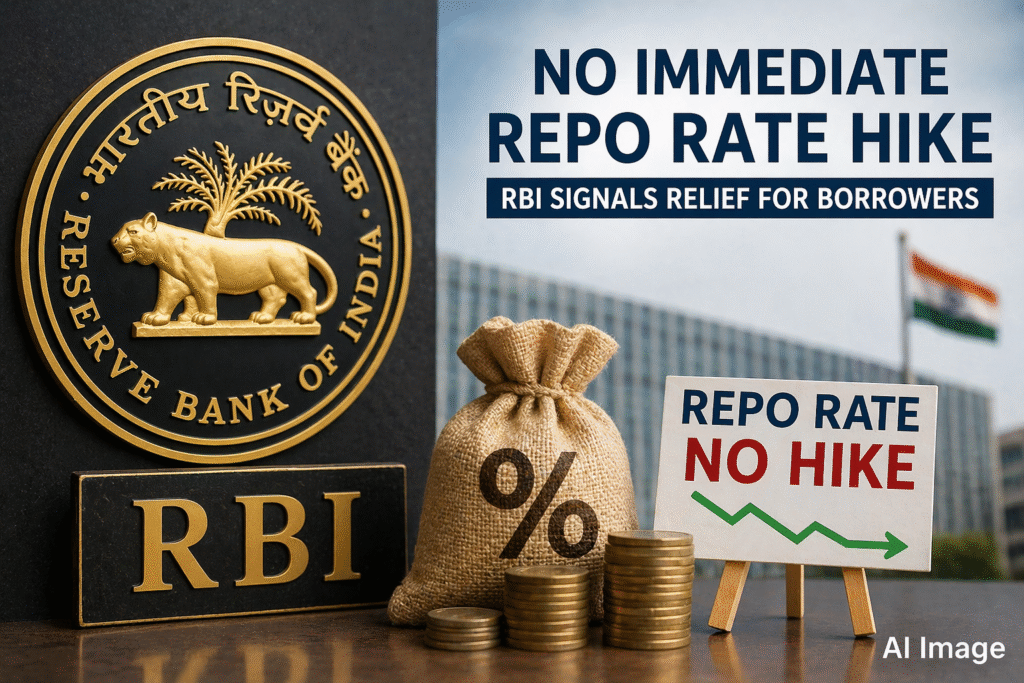
RBI Signals No Immediate Repo Rate Hike Despite Inflation Concerns
Full Telugu News Article
పశ్చిమాసియాలో కొనసాగుతున్న యుద్ధ పరిస్థితులు, పెరుగుతున్న చమురు ధరలు, ద్రవ్యోల్బణ ఒత్తిళ్ల మధ్య రిజర్వ్ బ్యాంక్ ఆఫ్ ఇండియా కీలక సంకేతాలు ఇచ్చింది. ప్రస్తుతం రెపో రేటును పెంచే ఉద్దేశం లేదని ఆర్బీఐ ద్రవ్య పరపతి విధాన కమిటీ సభ్యుడు రామ్ సింగ్ స్పష్టం చేశారు.
గతేడాది ద్రవ్యోల్బణం ఆర్బీఐ లక్ష్య పరిధిలో ఉండటంతో కేంద్ర బ్యాంకు రెపో రేటును భారీగా తగ్గించింది. మొత్తం 10 నెలల వ్యవధిలో 125 బేసిస్ పాయింట్లు అంటే 1.25 శాతం తగ్గించి 6.50 శాతం నుంచి 5.25 శాతానికి తీసుకువచ్చింది.
2025 ఫిబ్రవరి, ఏప్రిల్ నెలల్లో 25 బేసిస్ పాయింట్ల చొప్పున తగ్గించగా, జూన్లో 50 బేసిస్ పాయింట్లు, డిసెంబరులో మరో 25 బేసిస్ పాయింట్లు తగ్గించారు. దీంతో బ్యాంకుల రుణ వడ్డీ రేట్లు తగ్గి సామాన్యులకు ఉపశమనం లభించింది.
అయితే 2026లో ద్రవ్యోల్బణం మళ్లీ పెరుగుతుండటంతో ఫిబ్రవరి, ఏప్రిల్లో రెపో రేటును 5.25 శాతం వద్ద యథాతథంగా కొనసాగిస్తున్నట్లు ఆర్బీఐ ప్రకటించింది. ఇటీవల మళ్లీ ద్రవ్యోల్బణం పెరగడంతో రుణగ్రహీతల్లో వడ్డీ రేట్లు పెరుగుతాయనే ఆందోళనలు వ్యక్తమయ్యాయి.
ఈ నేపథ్యంలో రామ్ సింగ్ మాట్లాడుతూ, ప్రస్తుతం కనిపిస్తున్న ద్రవ్యోల్బణం ప్రధానంగా సరఫరా వ్యవస్థలో తలెత్తిన అంతరాయాల వల్లేనని తెలిపారు. ఇది శాశ్వత సమస్య కాదని, చమురు ధరల ప్రభావం తాత్కాలికమేనని చెప్పారు.
పెట్రోకెమికల్స్ సహా ఇతర ఉత్పత్తుల ధరలు మరింతగా పెరగడం, వేతనాల పెంపుపై ఒత్తిడి రావడం వంటి పరిస్థితులు ఏర్పడే వరకు వడ్డీ రేట్ల పెంపు అవసరం లేదని ఆయన అభిప్రాయపడ్డారు.
పశ్చిమాసియా యుద్ధం త్వరలో ముగుస్తుందనే ఆశాభావాన్ని కూడా ఆయన వ్యక్తం చేశారు. భారత్కు ఉన్న చమురు శుద్ధి సామర్థ్యం, మిగులు విద్యుత్ ఉత్పత్తి కారణంగా ఇంధన ధరల ప్రభావాన్ని సామాన్యులపై తగ్గించగలుగుతున్నామని వివరించారు.
Full English News Article
The Reserve Bank of India has signaled that there is no immediate plan to increase the repo rate despite rising inflation concerns triggered by the ongoing West Asia conflict and increasing global crude oil prices.
RBI Monetary Policy Committee member Ram Singh stated that India’s economic fundamentals remain strong and the central bank is not currently considering a repo rate hike.
Last year, as inflation remained within the RBI’s target range, the central bank reduced the repo rate significantly. Over a period of 10 months, the repo rate was cut by 125 basis points, bringing it down from 6.50 percent to 5.25 percent.
In 2025, the RBI reduced the rate by 25 basis points each in February and April, followed by a 50 basis point cut in June and another 25 basis point reduction in December. This helped lower bank loan interest rates and offered relief to borrowers.
However, with inflation rising again in 2026, the RBI kept the repo rate unchanged at 5.25 percent during its February and April policy meetings. This led to concerns among borrowers that loan interest rates could rise again.
Ram Singh clarified that the current inflation pressure is mainly due to temporary supply chain disruptions caused by the West Asia war and rising oil prices. He said the impact is not structural and does not yet justify a rate hike.
He added that unless petrochemical prices rise sharply across sectors and wage pressures increase significantly, there is no strong need to raise interest rates.
He also expressed hope that the West Asia conflict would end soon, noting that prolonged high crude oil prices would hurt all global economies. India, he said, is better positioned due to strong refining capacity and surplus power generation.