English News Headline
UPI Payment Rules: Will Customers Pay Extra Charges From October 15? 7 Key Questions Answered
Full Telugu News Article
యూపీఐ ద్వారా చెల్లింపులు చేసే వినియోగదారులకు అక్టోబర్ 15 నుంచి కొత్త ఛార్జీలు వస్తున్నాయంటూ చర్చ జరుగుతోంది. రూ.2,000కు పైబడిన కొన్ని మర్చంట్ లావాదేవీలపై 0.4 శాతం MDR వర్తించనుందని ప్రచారం జరుగుతున్నప్పటికీ, ఈ ఛార్జీని సాధారణ కస్టమర్ నుంచి అదనంగా వసూలు చేయవచ్చా అనే ప్రశ్న ప్రధానంగా మారింది.
మీరు అందించిన వివరాల ప్రకారం, MDR అనేది ప్రధానంగా మర్చంట్ పేమెంట్ వ్యవస్థలో వర్తించే ఛార్జీ. కస్టమర్ చేసిన సాధారణ UPI చెల్లింపుపై ప్రత్యేకంగా అదనపు మొత్తం చెల్లించాల్సిన అవసరం లేదని ఈ సమాచారంలో పేర్కొన్నారు.
1. దుకాణదారుడు UPI ఛార్జీ పేరుతో అదనంగా డబ్బులు అడగవచ్చా?
మీరు అందించిన సమాచారంలో అలా చేయకూడదని పేర్కొన్నారు. ఉదాహరణకు రూ.5,000 బిల్లు ఉంటే 0.4 శాతం MDR కింద రూ.20 వస్తుంది. అయితే ఆ రూ.20ను కస్టమర్ బిల్లుకు అదనంగా చేర్చకూడదని కథనం చెబుతోంది.
2. 0.4 శాతం MDR అంటే ఏమిటి?
MDR అంటే Merchant Discount Rate. మీరు అందించిన వివరాల ప్రకారం, అక్టోబర్ 15 నుంచి అర్హత ఉన్న రూ.2,000కు పైబడిన P2M అంటే వ్యక్తి నుంచి వ్యాపారికి జరిగే కొన్ని లావాదేవీలపై 0.4 శాతం MDR వర్తించనుంది.
ఉదాహరణకు రూ.5,000 మర్చంట్ పేమెంట్పై 0.4 శాతం లెక్కిస్తే రూ.20 అవుతుంది. అయితే ఈ మొత్తాన్ని కస్టమర్ నుంచి వసూలు చేయరాదని అందించిన సమాచారం పేర్కొంటోంది.
3. సాధారణ UPI వినియోగదారులకు పేమెంట్లు ఖరీదవుతాయా?
అందించిన సమాచారంలో సాధారణ వ్యక్తిగత UPI చెల్లింపులపై కొత్త ట్రాన్సాక్షన్ ఫీజు ఉండదని పేర్కొన్నారు. అంటే UPI ద్వారా చెల్లిస్తున్న ప్రతి వ్యక్తిగత వినియోగదారుడు కొత్తగా ఛార్జీ చెల్లించాల్సిన పరిస్థితి లేదని కథనం వివరిస్తోంది.
4. రూ.2,000 లోపు చెల్లింపులకు ఏం జరుగుతుంది?
వ్యాపారులకు చేసే రూ.2,000 వరకు UPI పేమెంట్లపై ఈ 0.4 శాతం MDR వర్తించదని మీరు అందించిన సమాచారంలో పేర్కొన్నారు.
5. రూ.2,500 బిల్లు అయితే?
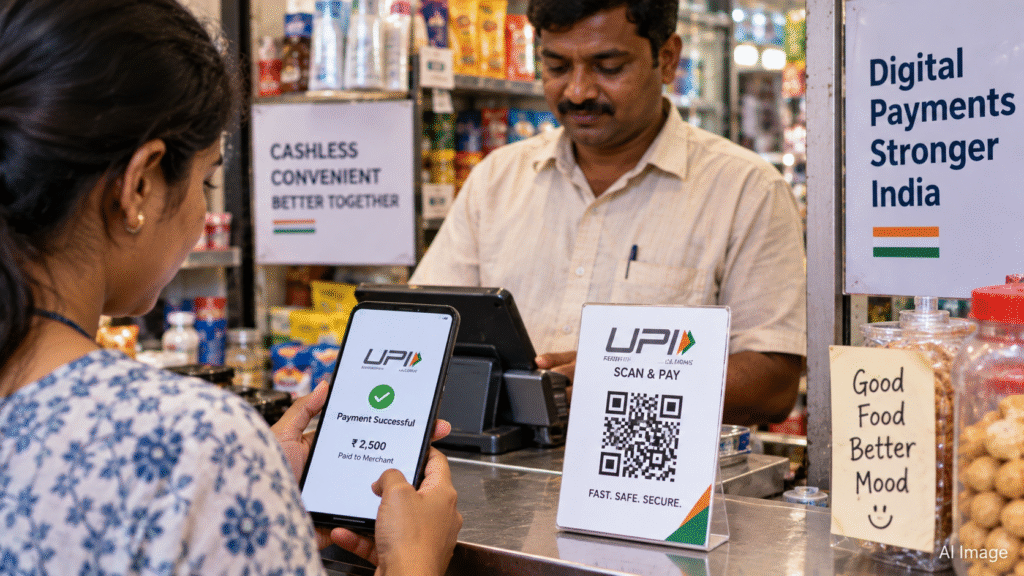
రూ.2,500కు 0.4 శాతం లెక్కిస్తే MDR రూ.10 అవుతుంది. అయితే ఈ రూ.10ను UPI ఛార్జీ పేరుతో కస్టమర్ బిల్లుకు అదనంగా చేర్చకూడదని కథనం చెబుతోంది.
6. చిన్న కిరాణా దుకాణాల పరిస్థితి ఏంటి?
అర్హత ఉన్న చిన్న వ్యాపారులకు జీరో MDR విధానం కొనసాగుతుందని అందించిన వివరాలు పేర్కొంటున్నాయి. కాబట్టి రూ.2,000 దాటిన ప్రతి మర్చంట్ పేమెంట్కు ఆటోమేటిక్గా 0.4 శాతం MDR వర్తిస్తుందని భావించకూడదు.
7. దుకాణదారుడు UPI ఛార్జీ అడిగితే ఏం చేయాలి?
దుకాణదారుడు UPI ఛార్జీ పేరుతో అదనపు మొత్తం అడిగితే ముందుగా బిల్లు తీసుకోవాలి. అదనపు మొత్తానికి కారణం ఏమిటో స్పష్టంగా తెలుసుకోవాలి. అది MDR లేదా UPI ఛార్జీ అని చెబితే బిల్లు, పేమెంట్ వివరాలను భద్రపరచుకోవడం మంచిది.
కస్టమర్లు గుర్తుంచుకోవాల్సిన విషయం
MDR అనేది ప్రధానంగా మర్చంట్ పేమెంట్ వ్యవస్థలోని ఛార్జీ. కస్టమర్ ప్రతి UPI పేమెంట్కు తప్పనిసరిగా అదనపు డబ్బు చెల్లించాల్సి వస్తుందని ఈ సమాచారాన్ని బట్టి భావించకూడదు.
అయితే అక్టోబర్ 15, 2026 నుంచి 0.4 శాతం MDR అమలు అవుతుందనే అంశానికి సంబంధించిన అధికారిక NPCI, RBI లేదా ప్రభుత్వ నోటిఫికేషన్ను ప్రచురణకు ముందు తప్పనిసరిగా ధృవీకరించాలి. అధికారిక నిర్ధారణ లేకుండా “కొత్త UPI రూల్”గా తుది వార్త ప్రచురించడం సరికాదు.
Full English News Article
UPI Payment Rules: Will Customers Pay Extra Charges From October 15?
A discussion is underway about a possible new charge on certain UPI merchant transactions from October 15. According to the information provided, a 0.4 per cent Merchant Discount Rate (MDR) may apply to eligible merchant transactions above ₹2,000.
The key question for consumers is whether merchants can recover this amount directly from customers. The information provided for this story states that the MDR is a charge within the merchant payment system and should not be added separately to the customer’s bill.
1. Can a merchant charge customers extra for UPI?
According to the information provided, customers should not be charged an additional UPI fee. For example, if the bill is ₹5,000, 0.4 per cent would amount to ₹20. However, the merchant should not simply add ₹20 to the customer’s bill as a UPI charge.
2. What is the 0.4 per cent MDR?
MDR stands for Merchant Discount Rate. The information provided states that from October 15, a 0.4 per cent MDR would apply to eligible P2M transactions above ₹2,000.
P2M refers to person-to-merchant payments. On a ₹5,000 transaction, 0.4 per cent works out to ₹20. According to the supplied information, this amount is not supposed to be separately recovered from the customer.
3. Will normal UPI users have to pay more?
The information provided states that there will be no new transaction fee on normal person-to-person UPI payments.
Therefore, customers should not assume that every UPI payment will automatically attract an additional charge.
4. What about payments below ₹2,000?
According to the supplied information, the proposed 0.4 per cent MDR would not apply to merchant UPI payments of up to ₹2,000.
5. What happens if the bill is ₹2,500?
At 0.4 per cent, the MDR on ₹2,500 would work out to ₹10.
However, according to the information provided, the merchant should not add this ₹10 to the customer’s bill as a separate UPI charge.
6. What about small grocery shops?
The information states that zero-MDR arrangements would continue for eligible small merchants.
Therefore, customers should not assume that every merchant transaction above ₹2,000 will automatically attract a 0.4 per cent charge.
7. What should customers do if a merchant asks for a UPI charge?
Customers should ask for a proper bill and find out why an additional amount is being demanded. If the merchant describes it as a UPI or MDR charge, customers should retain the bill and payment details.
Key Point for UPI Users
MDR is primarily a charge within the merchant payment ecosystem. Customers should not assume that they will have to pay an additional fee on every UPI transaction.
However, the specific claim that a 0.4 per cent MDR will come into effect from October 15, 2026 should be verified against an official NPCI, RBI or government notification before publication. The information supplied for this article does not itself provide such an official notification.