English News Headline
New Financial Rules from May 1 to Impact LPG, UPI and Banking Across India
Full Telugu News Article
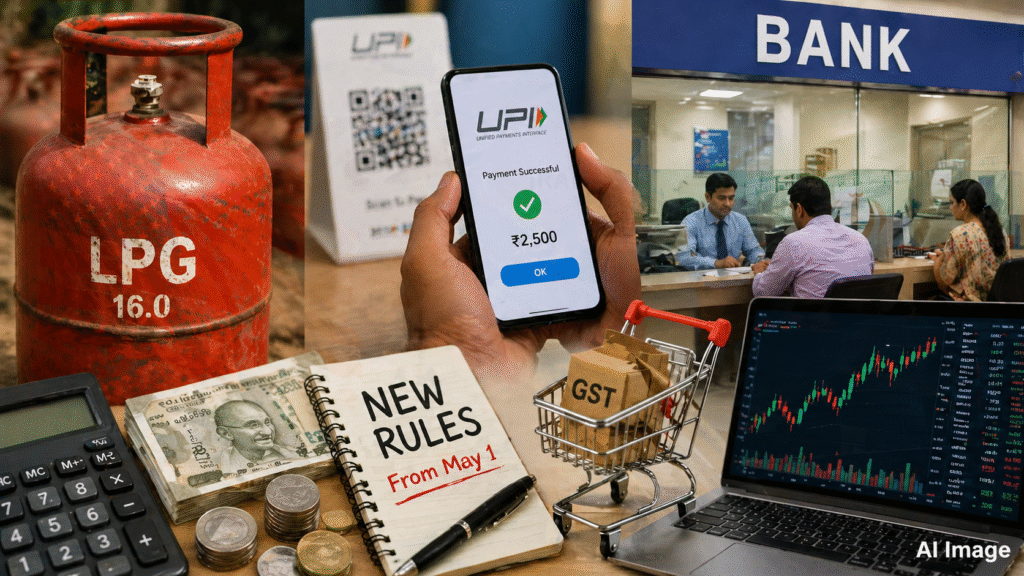
మే 1 నుంచి దేశవ్యాప్తంగా పలు కీలక ఆర్థిక మార్పులు అమల్లోకి రానున్నాయి. ఎల్పీజీ సిలిండర్ ధరల నుంచి యూపీఐ లావాదేవీలు, బ్యాంకింగ్ సేవల వరకు ఈ కొత్త నిబంధనలు ప్రభావం చూపనున్నాయి. ఈ మార్పులు సాధారణ ప్రజల గృహ ఖర్చులు మరియు ఆర్థిక వ్యవహారాలపై నేరుగా ప్రభావం చూపే అవకాశం ఉంది.
ఆయిల్ మార్కెటింగ్ కంపెనీలు ప్రతి నెల మొదటి తేదీన ఎల్పీజీ ధరలను సవరించడంతో మే 1న కూడా కొత్త ధరలు ప్రకటించనున్నారు. అంతర్జాతీయ ముడి చమురు ధరల మార్పుల నేపథ్యంలో గ్యాస్ ధరలు పెరగవచ్చు లేదా తగ్గవచ్చు. ఇది గృహ బడ్జెట్పై ప్రత్యక్ష ప్రభావం చూపనుంది.
యూపీఐ మరియు డిజిటల్ లావాదేవీల విషయంలో కూడా కొన్ని కొత్త నియమాలు అమల్లోకి రానున్నాయి. ఆన్లైన్ మోసాలను అరికట్టేందుకు భద్రతా ప్రమాణాలను మరింత కఠినతరం చేయనున్నారు. కొన్ని బ్యాంకులు డిజిటల్ లావాదేవీలపై సేవా రుసుములు మార్పులు చేయవచ్చు.
బ్యాంకింగ్ రంగంలో క్రెడిట్ కార్డ్ వినియోగదారులకు కూడా కొత్త మార్గదర్శకాలు అమల్లోకి వస్తున్నాయి. యుటిలిటీ బిల్లుల చెల్లింపులపై అదనపు ఛార్జీలు ఉండే అవకాశం ఉంది. అలాగే రివార్డ్ పాయింట్ల వినియోగ విధానాల్లో మార్పులు రావచ్చు.
స్టాక్ మార్కెట్లో ట్రేడింగ్ భద్రతను పెంచేందుకు టూ-ఫ్యాక్టర్ అథెంటికేషన్ కఠినతరం చేయనున్నారు. పెట్టుబడిదారుల ప్రయోజనాలను రక్షించేందుకు సెటిల్మెంట్ విధానాల్లో కూడా మార్పులు రావచ్చు.
జీఎస్టీ వ్యవస్థలో కూడా సాంకేతిక మార్పులు ప్రవేశపెట్టే అవకాశం ఉంది. ముఖ్యంగా MSME వ్యాపారాల కోసం డిజిటల్ రిపోర్టింగ్ విధానాలు మరింత పారదర్శకంగా మారనున్నాయి.
ఈ మార్పులను ముందుగానే అర్థం చేసుకోవడం ద్వారా ప్రజలు ఆర్థిక ప్రణాళికను సరిచేసుకోవచ్చు.
Full English News Article
Several key financial changes are set to come into effect across India from May 1, impacting LPG cylinder prices, UPI transactions, banking services, and more. These updates are expected to directly influence household budgets and financial planning for common citizens.
Oil marketing companies will revise LPG cylinder prices on May 1, as part of their monthly review. With fluctuations in global crude oil prices, domestic gas rates may increase or decrease, directly affecting kitchen expenses.
In the digital payments sector, new rules related to UPI transactions are likely to be implemented. Financial technology companies are strengthening security protocols to prevent online fraud. Some banks may also revise service charges associated with digital transactions.
Changes are also expected in banking and credit card usage. New guidelines may introduce additional charges on utility bill payments made via credit cards. There could also be revisions in reward point redemption policies.
In the stock market, regulatory updates will focus on improving investor security. Two-factor authentication norms may become stricter, and settlement procedures could see changes to enhance transparency and protection.
GST-related systems may also undergo technical updates. Digital compliance for MSMEs is expected to become more transparent, potentially influencing pricing in wholesale and retail markets.
Understanding these changes in advance can help individuals better manage their finances and avoid unexpected expenses.