పనీర్ కల్తీ గుర్తింపు మార్గాలు
English News Headl
ine
How to Identify Adulterated Paneer at Home: FSSAI Safety Tips
Full Telugu News Article
ప్రస్తుతం మార్కెట్లో లభిస్తున్న పనీర్ స్వచ్ఛతపై అనుమానాలు పెరుగుతున్నాయి. తెలంగాణతో పాటు దేశవ్యాప్తంగా కల్తీ ఆహారంపై ఆందోళనలు వ్యక్తమవుతున్నాయి. వినియోగదారులు కొనుగోలు చేసే పనీర్ నిజంగా స్వచ్ఛమైనదా కాదా అనేది తెలుసుకోవడం కీలకంగా మారింది.
పాల ఉత్పత్తుల్లో కల్తీ పెరుగుతున్న నేపథ్యంలో పనీర్ తయారీలో తక్కువ నాణ్యత గల పదార్థాలు, స్టార్చ్, సింథటిక్ పాల మిశ్రమాలు వినియోగిస్తున్నట్లు నిపుణులు హెచ్చరిస్తున్నారు. కొన్నిసార్లు యూరియా, డిటర్జెంట్ల వంటి ప్రమాదకర రసాయనాలు కూడా కలపబడుతున్నాయని నివేదికలు సూచిస్తున్నాయి.
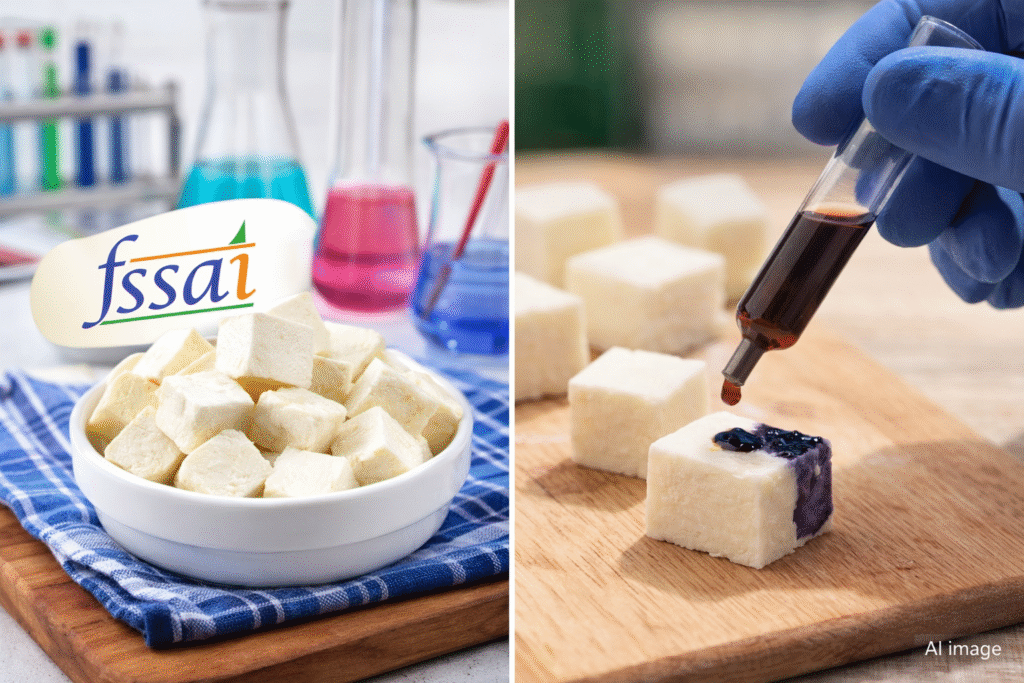
ఈ నేపథ్యంలో ఆహార భద్రతా సంస్థ FSSAI సూచనల ప్రకారం ఇంట్లోనే కొన్ని సాధారణ పరీక్షల ద్వారా పనీర్ స్వచ్ఛతను గుర్తించవచ్చు. పనీర్పై అయోడిన్ ద్రావణం వేస్తే నీలం రంగు మారితే స్టార్చ్ ఉన్నట్లు భావించాలి. నీళ్లలో మరిగించినప్పుడు పైభాగంలో నురుగు ఏర్పడితే అది సింథటిక్ పనీర్గా అనుమానించాలి.
అలాగే పనీర్ను చేతిలో నలిపినప్పుడు పొడిగా విరిగిపోతే అది సహజమైనదిగా పరిగణించవచ్చు. రబ్బరు మాదిరిగా లాగితే కల్తీ ఉన్నట్లు భావించాలి. వంట సమయంలో దుర్వాసన వస్తే కూడా నాణ్యతపై అనుమానం వ్యక్తం చేయాలి.
కల్తీ పనీర్ వినియోగం వల్ల జీర్ణ సమస్యలు, కడుపు ఇన్ఫెక్షన్లు, కాలేయం, కిడ్నీలపై ప్రభావం పడే అవకాశం ఉందని ఆరోగ్య నిపుణులు చెబుతున్నారు. దీర్ఘకాలంలో రోగనిరోధక శక్తి తగ్గే ప్రమాదం కూడా ఉంది.
ఇక స్వచ్ఛమైన పనీర్ ప్రోటీన్, కాల్షియం సమృద్ధిగా కలిగి ఉండి శరీరానికి ఉపయోగకరంగా ఉంటుంది. కాబట్టి వినియోగదారులు పనీర్ కొనుగోలు సమయంలో FSSAI గుర్తింపు ఉందో లేదో తప్పనిసరిగా పరిశీలించాలని నిపుణులు సూచిస్తున్నారు.
Full English News Article
Concerns over adulterated paneer are rising across Telangana and other parts of India, with food safety becoming a major public issue. Consumers are increasingly cautious about whether the paneer they purchase is pure or chemically adulterated.
Experts warn that low-quality ingredients, starch, and synthetic milk are often used to produce fake paneer. In some cases, harmful substances like urea and detergents are reportedly mixed to increase weight and texture, posing serious health risks.
According to guidelines from the Food Safety and Standards Authority of India (FSSAI), consumers can perform simple tests at home to check paneer quality. Adding a drop of iodine solution can help detect starch—if the paneer turns blue, it indicates adulteration.
Boiling paneer in water is another method; if foam or greasy residue appears on the surface, it may indicate synthetic composition. Additionally, pure paneer tends to crumble when pressed, while adulterated paneer feels rubbery.
Health experts caution that consuming adulterated paneer can lead to digestive issues, stomach infections, and long-term damage to the liver and kidneys. It may also weaken immunity over time due to the absence of proper nutrients.
Pure paneer, on the other hand, is rich in protein and calcium, supporting muscle growth and bone health. Consumers are advised to check for FSSAI certification and ensure quality before purchasing paneer products.