What is Meningitis?
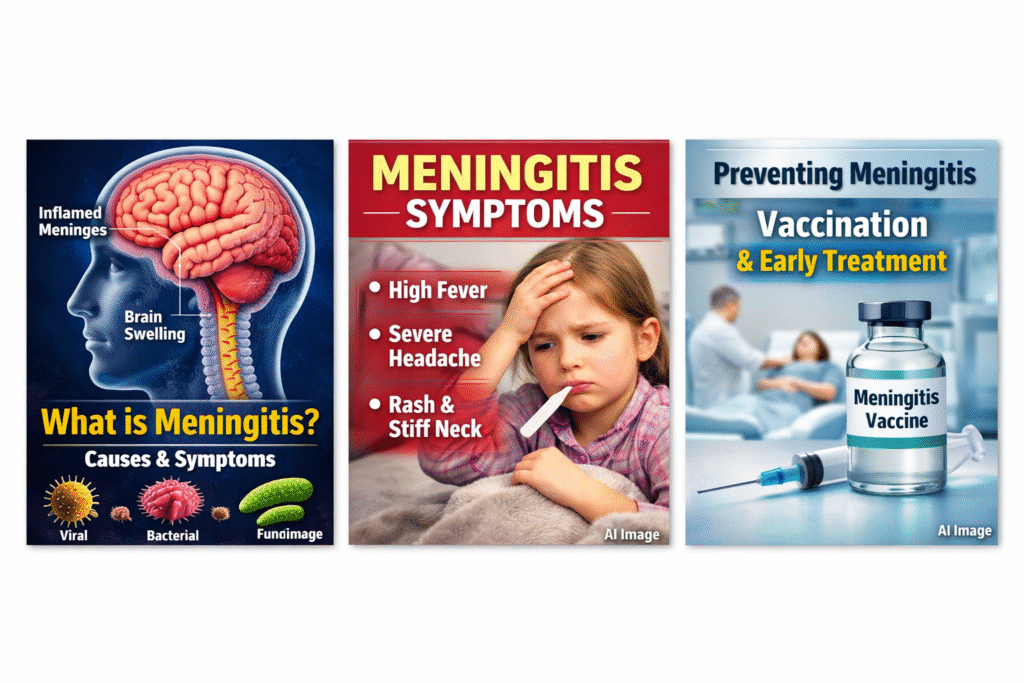
మెనింజైటిస్ ప్రాణాంతక వ్యాధిగా యూకేలో కేసులు బయటపడుతుండగా, లక్షణాలు త్వరగా గుర్తించి టీకాలు, జాగ్రత్తలు తీసుకోవాలని నిపుణులు హెచ్చరిస్తున్నారు.
Meningitis, a life-threatening disease, has raised concern after cases in the UK, with experts urging early symptom recognition, vaccination, and preventive measures.
మెనింజైటిస్ అనేది మెదడు మరియు వెన్నెముకను కప్పి ఉంచే రక్షణ పొరలైన మెనింజెస్లో వాపు ఏర్పడే ప్రమాదకర వ్యాధి. Cleveland Clinic ప్రకారం, ఈ పొరల్లో ఇన్ఫెక్షన్ కలిగితే మెనింజైటిస్ ఉత్పన్నమవుతుంది. దీనిని బ్రెయిన్ ఫీవర్ లేదా స్పైనల్ మెనింజైటిస్ అని కూడా పిలుస్తారు.
ఇటీవల Kent ప్రాంతంలో మెనింజైటిస్ బి (Bacterial Meningitis) కేసులు వెలుగుచూసి ఇద్దరి ప్రాణాలు కోల్పోయినట్లు సమాచారం. ఈ పరిణామం ప్రపంచవ్యాప్తంగా ఆరోగ్య అప్రమత్తతను పెంచింది.
మెనింజైటిస్ ప్రధానంగా మూడు రకాలుగా ఉంటుంది: వైరల్, బ్యాక్టీరియల్, ఫంగల్. వీటిలో బ్యాక్టీరియల్ మెనింజైటిస్ అత్యంత ప్రమాదకరం. ఇది వేగంగా తీవ్రతరం అవుతూ ప్రాణాలకు ముప్పుగా మారుతుంది. ఇన్వాసివ్ మెనింజైటిస్లో ఇన్ఫెక్షన్ రక్తప్రవాహంలోకి చేరి మరింత ప్రమాదకరంగా మారుతుంది.
ఈ వ్యాధి గాలిలోని తుంపర్లు, దగ్గు, తుమ్ములు, సన్నిహిత పరిచయాలు, ఒకే పాత్రలు వాడటం ద్వారా వ్యాపిస్తుంది. ముఖ్యంగా హాస్టళ్లు, కళాశాలలు వంటి గుంపులుగా ఉండే ప్రదేశాల్లో ఇది వేగంగా వ్యాపించే అవకాశం ఉంటుంది.
లక్షణాల విషయానికి వస్తే, తీవ్రమైన జ్వరం, తలనొప్పి, మెడ బిగుసుకుపోవడం, వాంతులు, వెలుతురు చూడలేకపోవడం (ఫోటోఫోబియా), అయోమయం, వణుకు, మూర్ఛ వంటి లక్షణాలు కనిపిస్తాయి. చర్మంపై ఎర్రటి మచ్చలు రావడం కూడా ఒక ముఖ్య హెచ్చరిక సంకేతం. చిన్నపిల్లల్లో ఈ లక్షణాలు స్పష్టంగా కనిపించకపోవచ్చు, కాబట్టి ఆహారం తీసుకోకపోవడం వంటి మార్పులను గమనించాలి.
సకాలంలో చికిత్స అందించకపోతే మెదడు దెబ్బతినడం, వినికిడి కోల్పోవడం, నాడీ వ్యవస్థ దెబ్బతినడం వంటి తీవ్రమైన సమస్యలు తలెత్తవచ్చు. అందువల్ల ప్రారంభ దశలోనే వైద్య సహాయం తీసుకోవడం అత్యంత కీలకం.
టీకాలు మెనింజైటిస్ నివారణలో కీలక పాత్ర పోషిస్తాయి. ముఖ్యంగా పిల్లలు, యువకులు, హాస్టళ్లలో నివసించే విద్యార్థులు టీకాలు తీసుకోవడం ద్వారా ఈ వ్యాధి ప్రమాదాన్ని తగ్గించుకోవచ్చు. వ్యక్తిగత పరిశుభ్రత, దగ్గు-తుమ్ముల సమయంలో జాగ్రత్తలు పాటించడం కూడా అవసరం.
Meningitis, a serious and potentially fatal disease, has raised global concern after recent cases in the UK, with experts stressing early detection, vaccination, and preventive care.
Meningitis is a dangerous condition caused by inflammation of the meninges—the protective membranes covering the brain and spinal cord. According to Cleveland Clinic, infection in these membranes leads to meningitis, which is also commonly known as brain fever or spinal meningitis.
Recently, cases of Meningitis B have been reported in Kent in the United Kingdom, where two people lost their lives. This has triggered renewed awareness about the disease and its rapid progression if not treated in time.
Meningitis is broadly classified into three types: viral, bacterial, and fungal. Among these, bacterial meningitis is the most severe and can become life-threatening very quickly. In invasive meningitis, the infection spreads into the bloodstream or deeper into brain tissues, increasing the risk of fatal outcomes.
The disease spreads through respiratory droplets, such as coughing and sneezing, as well as through close personal contact like kissing or sharing utensils. It tends to spread more rapidly in crowded environments such as hostels, schools, and colleges.
Common symptoms include sudden high fever, severe headache, stiff neck, vomiting, sensitivity to light (photophobia), confusion, seizures, and skin rashes. In children, symptoms may not be very clear, but warning signs include poor feeding, unusual drowsiness, and irritability.
If not treated promptly, meningitis can lead to serious complications such as brain damage, hearing loss, and neurological disorders. Early medical intervention is critical to prevent severe outcomes.
Vaccination plays a key role in preventing meningitis. Health experts recommend that children, adolescents, and individuals living in shared accommodations should get vaccinated. Maintaining hygiene and taking precautions during coughs and sneezes can also help reduce the spread of infection.