Telugu News Headline
పిల్లల్లో ఊబకాయం పెరుగుదల
English News Headline
Childhood Obesity Rising in India: Causes and Prevention Explained
Full Telugu News Article
భారతదేశంలో పిల్లల్లో ఊబకాయం సమస్య వేగంగా పెరుగుతున్నట్లు తాజా నివేదికలు వెల్లడిస్తున్నాయి. చిన్న వయసులోనే అధిక బరువుతో బాధపడుతున్న పిల్లల సంఖ్య పెరగడం ఆందోళన కలిగిస్తోంది. ముఖ్యంగా 5 నుంచి 19 ఏళ్ల మధ్య వయసు గల పిల్లల్లో ఈ సమస్య ఎక్కువగా కనిపిస్తోంది.
World Obesity Federation విడుదల చేసిన World Obesity Atlas 2026 నివేదిక ప్రకారం, ప్రపంచవ్యాప్తంగా పిల్లల్లో ఊబకాయం కేసుల్లో చైనా మొదటి స్థానంలో ఉండగా, భారతదేశం రెండో స్థానంలో ఉంది. 2025 నాటికి భారత్లో సుమారు 4 కోట్లకు పైగా పిల్లలు అధిక బరువు లేదా ఊబకాయం సమస్యతో బాధపడుతున్నట్లు అంచనా.
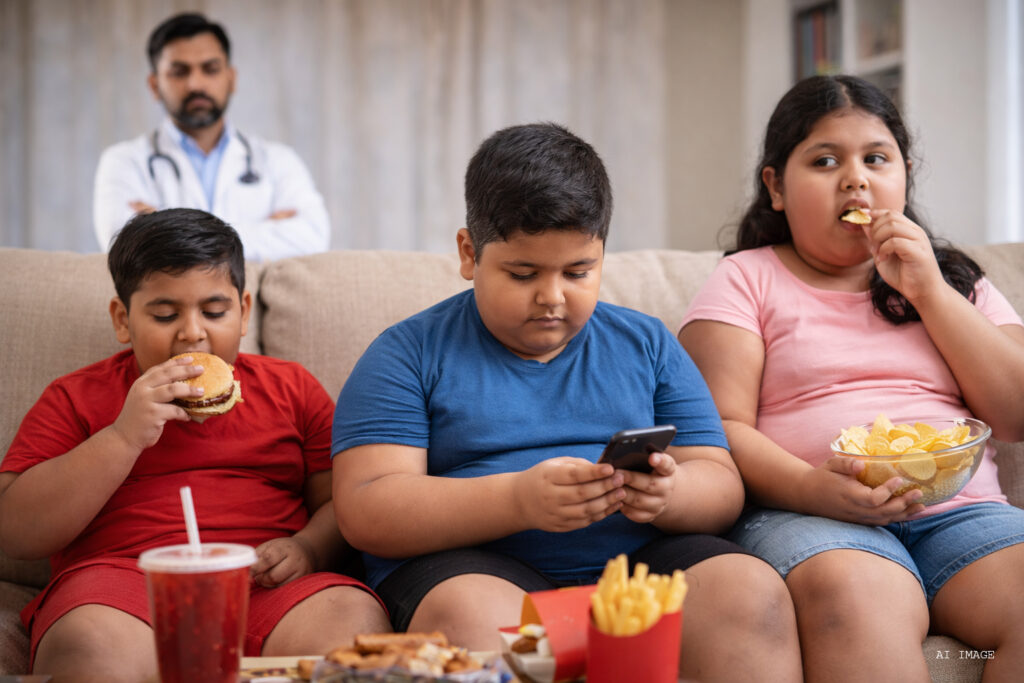
డాక్టర్ మనోహర్ కేఎన్ ప్రకారం, ఈ సమస్యకు ప్రధాన కారణాలు జీవనశైలిలో వచ్చిన మార్పులే. పిల్లలు ఆటపాటలు తగ్గించి మొబైల్ ఫోన్లు, టీవీలతో ఎక్కువ సమయం గడపడం వల్ల శారీరక శ్రమ తగ్గుతోంది. అలాగే ఫాస్ట్ ఫుడ్, ప్రాసెస్డ్ ఫుడ్, కూల్డ్రింక్స్ అధికంగా తీసుకోవడం వల్ల శరీరంలో అదనపు క్యాలరీలు పేరుకుపోతున్నాయి.
శరీరం ఖర్చు చేసే శక్తి కంటే తీసుకునే క్యాలరీలు ఎక్కువైతే అవి కొవ్వుగా నిల్వ అవుతాయి. దీనికి తోడు నిద్రలేమి, మానసిక ఒత్తిడి, హార్మోన్ల అసమతుల్యత వంటి అంశాలు కూడా ఊబకాయాన్ని పెంచుతున్నాయి.
పిల్లల్లో ఆహారపు అలవాట్లు కూడా కీలక పాత్ర పోషిస్తున్నాయి. ఉదయం అల్పాహారం మానేయడం, మధ్యాహ్నం ఎక్కువగా తినడం, రాత్రి ఆలస్యంగా భోజనం చేయడం వంటి అలవాట్లు శరీరంపై ప్రతికూల ప్రభావం చూపుతున్నాయి. అదనంగా, చక్కెర పానీయాలు, ప్యాకెట్ జ్యూస్లు కాలేయంపై ప్రభావం చూపి కొవ్వు నిల్వలను పెంచుతాయి.
మానసిక ఒత్తిడి కూడా మరో ముఖ్య కారణంగా గుర్తించారు. పరీక్షల ఒత్తిడి, పోటీ ప్రపంచంలో పిల్లలు ఎదుర్కొనే టెన్షన్ వల్ల కార్టిసోల్ హార్మోన్ పెరిగి శరీరంలో కొవ్వు నిల్వ అవుతుంది. అలాగే ఒత్తిడి సమయంలో తీపి పదార్థాలపై ఆసక్తి పెరుగుతుంది.
ఈ సమస్యకు పరిష్కారం మందుల్లో కాకుండా జీవనశైలిలో మార్పుల్లోనే ఉందని నిపుణులు చెబుతున్నారు. సమతుల్య ఆహారం, పీచు పదార్థాలు, ప్రోటీన్ అధికంగా ఉండే డైట్, క్రమం తప్పని వ్యాయామం, సరైన నిద్ర, ఒత్తిడి నియంత్రణ వంటి అంశాలు తప్పనిసరి.
పిల్లలు ప్రతిరోజూ కనీసం ఒక గంట శారీరక కార్యకలాపాల్లో పాల్గొనడం, జంక్ ఫుడ్ను తగ్గించడం, తాజా ఆహారం తీసుకోవడం ద్వారా ఊబకాయం సమస్యను నియంత్రించవచ్చు. ప్రారంభ దశలోనే ఆరోగ్య పరీక్షలు చేయించడం ద్వారా ప్రమాదాలను ముందుగానే గుర్తించవచ్చు.
Full English News Article
Childhood obesity is emerging as a serious public health concern in India, with a rapid rise in the number of children affected by excess weight. Recent estimates show a significant increase among children aged between 5 and 19 years.
According to the World Obesity Atlas 2026 report released by the World Obesity Federation, India ranks second globally in terms of childhood obesity cases, after China. By 2025, over 41 million children in India are expected to be either overweight or obese, raising major health concerns.
Dr. Manohar KN explains that changing lifestyles are the primary drivers of this trend. Reduced physical activity, increased screen time, and high consumption of processed and fast foods have significantly contributed to the problem. Children today spend less time playing outdoors and more time on mobile devices and television.
Obesity occurs when calorie intake exceeds energy expenditure, leading to fat accumulation in the body. Factors such as lack of sleep, hormonal imbalance, insulin resistance, and stress further worsen the condition.
Irregular eating habits are also a major concern. Skipping breakfast, overeating later in the day, and consuming late-night meals negatively affect metabolism. Additionally, sugary drinks, packaged juices, and junk food increase fat storage and impact liver health.
Mental stress is another contributing factor. Academic pressure and competition increase cortisol levels, which encourages fat storage in the body. Stress also triggers cravings for sugary and fatty foods, further aggravating the issue.
Experts emphasize that the solution lies in sustainable lifestyle changes rather than medication. A balanced diet rich in fiber and protein, regular physical activity, proper sleep, and stress management are essential.
Encouraging children to engage in at least one hour of physical activity daily, reducing junk food intake, and promoting fresh, home-cooked meals can significantly help prevent obesity. Early health checkups can also identify risks and ensure timely intervention.