Artemis-2 Heads Towards Moon
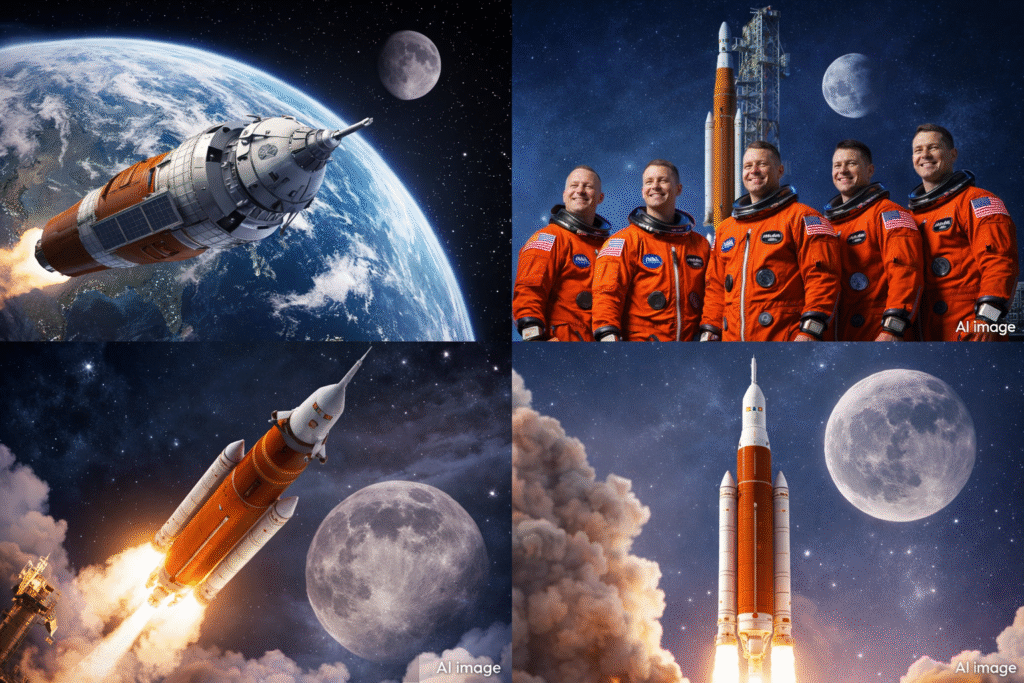
జాబిల్లి వైపు దూసుకెళ్తున్న ఆర్టెమిస్-2 మిషన్ కీలక దశలోకి చేరగా, భూకక్ష్యను విజయవంతంగా దాటి చంద్రుడి దిశగా ప్రయాణం ప్రారంభించింది.
Artemis-2 mission has entered a crucial phase as the spacecraft successfully crossed Earth’s orbit and is heading towards the Moon.
ఫ్లోరిడాలోని కెన్నెడీ స్పేస్ సెంటర్ నుంచి NASA గురువారం ఓరియన్ క్యాప్సూల్ను ప్రయోగించింది. ఈ వ్యోమనౌక భూకక్ష్యలో సుమారు 25 గంటలు గడిపిన అనంతరం చంద్రుడి దిశగా ప్రయాణం ప్రారంభించింది. నాసా తెలిపిన ప్రకారం, ఇది విజయవంతంగా భూకక్ష్యను దాటింది.
ఆర్టెమిస్-2 మిషన్లో ముగ్గురు అమెరికన్ వ్యోమగాములు, ఒక కెనడా వ్యోమగామి పాల్గొంటున్నారు. ఈ యాత్రలో వ్యోమనౌక చంద్రుడి ఉపరితలానికి అత్యంత సమీపంగా వెళ్లి, దాని కక్ష్యను చుట్టి తిరిగి భూమికి చేరనుంది. మొత్తం పది రోజుల పాటు సాగనున్న ఈ మిషన్లో చంద్రుడి అవతలి భాగాన్ని అధ్యయనం చేయనున్నారు.
1960-70 దశకాలలో జరిగిన అపోలో మిషన్ల తర్వాత మానవసహిత చంద్రయాత్రగా ఇది మరో ముఖ్యమైన ముందడుగు. ఒరాయన్ క్యాప్సూల్లోని లైఫ్ సపోర్ట్ సిస్టమ్స్, సాంకేతిక పరికరాలను వ్యోమగాములు పరీక్షించారు.
ట్రాన్స్లూనార్ ఇంజెక్షన్ ప్రక్రియలో భాగంగా వ్యోమనౌక ప్రధాన ఇంజిన్ సుమారు ఆరు నిమిషాల పాటు పనిచేసి, గంటకు సుమారు 38,000 కిలోమీటర్ల వేగంతో చంద్రుడి వైపు దూసుకెళ్లింది. ఈ దశలో వ్యోమగాములు అంతరిక్షం నుంచి భూమి అద్భుత దృశ్యాలను వీక్షించారు.
ఈ యాత్రలో అత్యంత కీలకమైన ‘లూనార్ ఫ్లైబై’ దశ సోమవారం జరగనుంది. ఈ దశలో వ్యోమనౌక చంద్రుడి ఆవలి వైపు సుమారు 6,400 కిలోమీటర్ల దూరం ప్రయాణిస్తుంది. ఇప్పటివరకు ప్రత్యక్షంగా చూడని చంద్రుడి భాగాన్ని కెమెరాల్లో బంధించనున్నారు.
అంతేకాకుండా, వ్యోమగాములు అంతరిక్షంలో సంపూర్ణ సూర్యగ్రహణాన్ని కూడా వీక్షించే అవకాశం ఉంది. మిషన్ పూర్తయ్యాక ఏప్రిల్ 10న పసిఫిక్ మహాసముద్రంలో క్యాప్సూల్ ల్యాండింగ్ అయ్యే అవకాశం ఉంది.
The NASA launched the Orion capsule from Kennedy Space Center in Florida on Thursday. After spending around 25 hours in Earth orbit, the spacecraft began its journey towards the Moon, successfully exiting Earth’s orbit.
The Artemis-2 mission includes three American astronauts and one Canadian astronaut. The spacecraft will fly close to the Moon, orbit it, and return to Earth without landing. The 10-day mission aims to study the far side of the Moon.
This marks a significant milestone after the Apollo missions of the 1960s and 70s. During the initial phase, astronauts tested life-support systems and onboard technologies.
During the Trans-Lunar Injection phase, the spacecraft’s main engine fired for about six minutes, propelling it at nearly 38,000 km/h towards the Moon. Astronauts witnessed stunning views of Earth from space.
The crucial lunar flyby is scheduled for Monday, where the spacecraft will travel about 6,400 km beyond the far side of the Moon, capturing never-seen-before visuals. The crew may also witness a total solar eclipse from space. The capsule is expected to land in the Pacific Ocean on April 10.