Who will bear Greater’s debt burden?
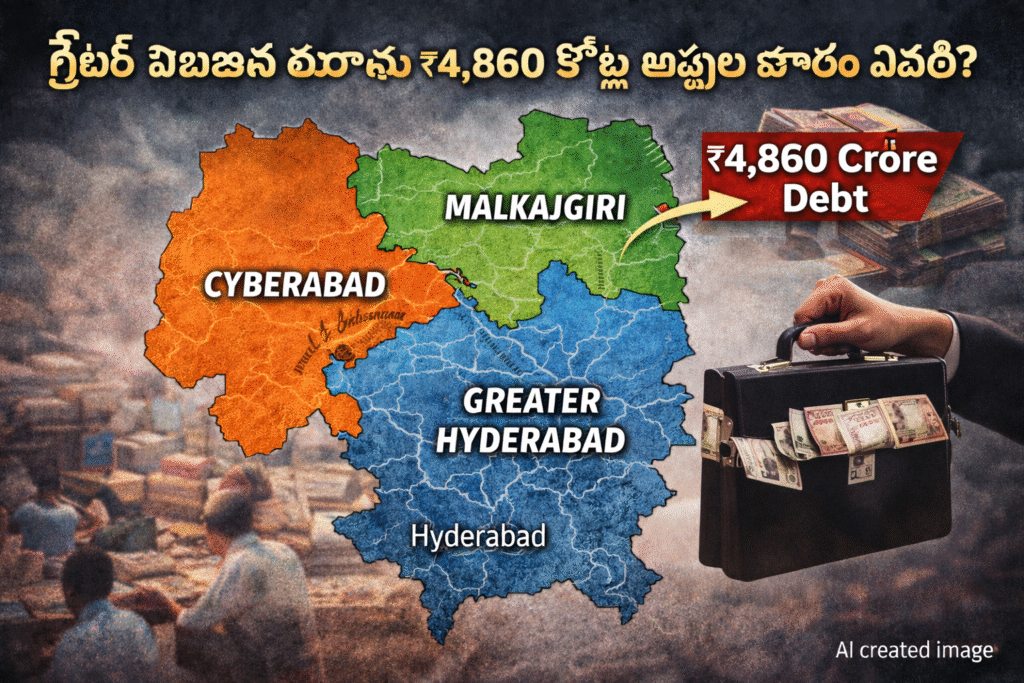
హైదరాబాద్, ఫిబ్రవరి 13: గ్రేటర్ హైదరాబాద్ మున్సిపల్ కార్పొరేషన్ను విభజిస్తూ ప్రభుత్వం సైబరాబాద్, మల్కాజ్గిరి, గ్రేటర్ హైదరాబాద్ కార్పొరేషన్లుగా పునర్వ్యవస్థీకరించింది. ఈ నిర్ణయంపై రాజకీయ, పరిపాలనా వర్గాల్లో చర్చలు కొనసాగుతున్నాయి.
మున్సిపాలిటీలు, కార్పొరేషన్ల విలీనం తర్వాత వార్డుల పునర్విభజన, కొత్త కార్పొరేషన్ల ఏర్పాటు పై అభ్యంతరాలు వ్యక్తమవుతున్నాయి. సికింద్రాబాద్కు ప్రత్యేక గుర్తింపు లేకుండా చేశారన్న ఆవేదన లష్కర్ ప్రాంత ప్రజల్లో వ్యక్తమవుతోంది. ప్రధాన ప్రతిపక్షం బీఆర్ఎస్ సికింద్రాబాద్ను జిల్లాగా ప్రకటిస్తామని వెల్లడించింది. జనగణన నోటిఫికేషన్ తర్వాత విభజన చట్టవిరుద్ధమని బీజేపీ ఆరోపిస్తోంది. కోర్ హైదరాబాద్ ప్రాంతంలో ఎంఐఎం బలం పెరిగేలా నిర్ణయాలు తీసుకున్నారన్న విమర్శలు కూడా వినిపిస్తున్నాయి.
ప్రభుత్వం మూడు కార్పొరేషన్లకు కలిపి ఒకే స్పెషల్ ఆఫీసర్ను నియమించింది. పరిపాలనా మార్పులతో కార్పొరేషన్ల ఆర్థిక వనరులు తగ్గే అవకాశముందన్న అభిప్రాయాలు వ్యక్తమవుతున్నాయి. గతంలో శేరిలింగంపల్లి, కూకట్పల్లి, ఎల్బీనగర్, ఉప్పల్ జోన్ల నుంచి భారీగా ఆస్తి పన్ను, నిర్మాణ ఫీజుల రూపంలో ఆదాయం వచ్చేది. ప్రస్తుతం విభజన తర్వాత కోర్ ప్రాంతమైన సికింద్రాబాద్, ఖైరతాబాద్, గోల్కొండ, చార్మినార్ జోన్లలో నిర్మాణానికి అందుబాటులో ఉన్న భూములు పరిమితంగా ఉండటంతో ఆదాయం తగ్గే అవకాశం ఉందని అధికారులు అంచనా వేస్తున్నారు.
10 అంతస్తుల వరకు నిర్మాణ అనుమతుల అధికారాన్ని కార్పొరేషన్లకు పరిమితం చేసి, అంతకంటే పైగా ఉన్న నిర్మాణాలకు అనుమతులను రాష్ట్ర స్థాయిలో ఇవ్వాలని ప్రభుత్వం నిర్ణయించింది. పెద్ద ప్రాజెక్టుల ఫీజులు రాష్ట్ర ఖజానాకు చేరే పరిస్థితి ఏర్పడింది. ఇప్పటికే రిజిస్ట్రేషన్ సందర్భంలో కార్పొరేషన్లకు రావాల్సిన నోటేషన్ ఫీజులు రాష్ట్ర ఖజానాలో జమ అవుతున్నాయి. దీంతో ఆదాయ వనరులు మరింత తగ్గే అవకాశముంది.
2016 నుంచి సుమారు రూ.7,000 కోట్లకు పైగా అప్పులు చేసిన గ్రేటర్కు ప్రస్తుతం సుమారు రూ.4,860 కోట్ల బకాయిలు ఉన్నట్లు సమాచారం. ఈ అప్పులను మూడు కార్పొరేషన్లకు ఎలా పంచుతారన్న దానిపై స్పష్టత లేదు. ఒకవైపు ఆదాయం తగ్గుదల, మరోవైపు అధికారాల కేంద్రీకరణతో మూడు కార్పొరేషన్లు ఎలా ముందుకు సాగుతాయన్నది చర్చనీయాంశమైంది.
ఉద్యోగుల కొరత కూడా ప్రధాన సమస్యగా మారింది. ఇప్పటికే సిబ్బంది కొరత ఉన్న పరిస్థితిలోనే విభజన జరిగిందని, పరిపాలనలో ఆలస్యం, సర్టిఫికెట్ల జారీ, నిర్మాణ అనుమతుల్లో జాప్యం కొనసాగుతోందన్న అభిప్రాయాలు వినిపిస్తున్నాయి. విలీనం, విభజన వల్ల లాభాల కంటే సవాళ్లు ఎక్కువగా ఉన్నాయన్న అభిప్రాయం వ్యక్తమవుతోంది.
Who Will Bear the Debt After Greater’s Division?
Hyderabad, February 13: The government has reorganised the Greater Hyderabad Municipal Corporation into three separate corporations — Cyberabad, Malkajgiri and Greater Hyderabad. The move has triggered political and administrative debate.
Objections have been raised over ward reorganisation and the formation of new corporations. Concerns are being expressed that Secunderabad has lost its distinct identity. The main opposition BRS has stated that it would declare Secunderabad as a district if voted to power. BJP has alleged that the division after the census notification is legally questionable and has criticised the move as politically motivated.
A single Special Officer has been appointed for all three corporations. Officials indicate that the restructuring could impact the financial autonomy of the civic bodies. Earlier, zones such as Serilingampally, Kukatpally, LB Nagar and Uppal generated substantial revenue through property tax and building fees. Post-division, core zones including Secunderabad, Khairatabad, Golconda and Charminar have limited scope for new constructions, potentially reducing income.
The government has limited building permission powers up to 10 floors to corporations, while approvals for taller structures will be handled at the state level. Fees from major projects are likely to go directly to the state exchequer. Registration-related notional fees are already being credited to the state, further impacting civic revenues.
Since 2016, the civic body has reportedly accumulated over ₹7,000 crore in loans, with around ₹4,860 crore currently outstanding. There is no clarity on how this debt will be apportioned among the three corporations. Reduced income and centralised control over powers have become key discussion points.
Staff shortage remains another major concern. Even before division, there was a shortage of personnel. Delays in issuing certificates and processing building permissions continue. Observers say the restructuring has brought more challenges than benefits, and the final outcome will depend on future administrative decisions.