The US Supreme Court, in a 6:3 majority verdict, struck down the tariffs imposed by President Donald Trump without Congressional approval. Reacting sharply, Trump criticized the judgment, announced an additional 10% tariff on global imports, and clarified that there will be no changes to the India–US trade agreement.
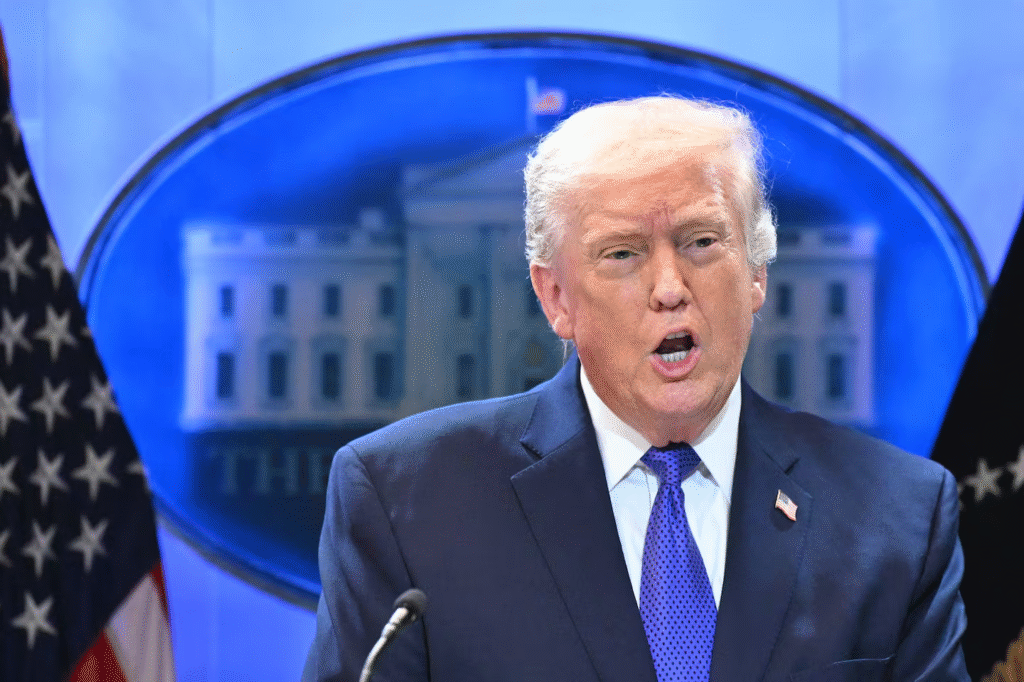
ప్రపంచ దేశాలపై భారీ సుంకాలు విధించిన అమెరికా అధ్యక్షుడు Donald Trumpకు Supreme Court of the United States గట్టి షాక్ ఇచ్చింది. కాంగ్రెస్ అనుమతి లేకుండా అధ్యక్షుడు విధించిన సుంకాలను రద్దు చేస్తూ తొమ్మిది మంది న్యాయమూర్తులతో కూడిన ధర్మాసనం 6:3 మెజార్టీతో తీర్పు వెలువరించింది. అత్యవసర అధికారాల చట్టాన్ని వినియోగించి ప్రతీకార సుంకాలు విధించడం సరైన విధానం కాదని కోర్టు వ్యాఖ్యానించింది.
ఈ తీర్పుపై ట్రంప్ తీవ్ర అసంతృప్తి వ్యక్తం చేశారు. దేశానికి అవమానకరమని పేర్కొంటూ, కోర్టు విదేశీ ప్రభావానికి లోనైందని వ్యాఖ్యానించారు. అయితే, సుంకాల విధింపులో వెనక్కి తగ్గే ప్రసక్తే లేదని స్పష్టం చేశారు. అంతర్జాతీయ అత్యయిక ఆర్థిక అధికారాల చట్టం (IEEPA)లోని సెక్షన్ 122 ప్రకారం ప్రపంచ దేశాలపై అదనంగా 10% సుంకం విధిస్తానని తెలిపారు. అలాగే సెక్షన్ 301 కింద అన్యాయ వాణిజ్య పద్ధతులపై విచారణ జరిపి సుంకాలను పునరుద్ధరించేందుకు కార్యనిర్వాహక ఉత్తర్వులపై సంతకం చేస్తానన్నారు.
అమెరికా అధికార వర్గాలు తెలిపిన వివరాల ప్రకారం, కోర్టు తీర్పుతో సుంకాల విధింపులో ట్రంప్ దూకుడు కొంత మేర తగ్గవచ్చని భావిస్తున్నాయి. ఎన్నికల సమయంలో అమెరికా ఉత్పత్తులపై భారీ సుంకాలు విధిస్తున్న దేశాలపై ప్రతీకార సుంకాలు విధిస్తానని ఇచ్చిన హామీతో ట్రంప్ విజయం సాధించిన విషయం తెలిసిందే.
భారత్తో ఒప్పందంపై స్పష్టత
సుప్రీంకోర్టు తాజా తీర్పుతో భారత్తో కుదిరిన వాణిజ్య ఒప్పందంపై ఎలాంటి ప్రభావం ఉండదని ట్రంప్ స్పష్టం చేశారు. మీడియా సమావేశంలో భారత్–అమెరికా ఒప్పందంపై ప్రశ్నించగా, “ఎలాంటి మార్పులు ఉండవు. భారత్ టారిఫ్లు చెల్లిస్తుంది. మేము చెల్లించము. గతంలో పరిస్థితి భిన్నంగా ఉండేది. ఇప్పుడు సమీకరణం మారింది” అని పేర్కొన్నారు.
ఫిబ్రవరి మొదటి వారంలో భారత్–అమెరికా మధ్య కుదిరిన ఒప్పందం ప్రకారం, భారత ఎగుమతులపై సుంకాన్ని 50% నుండి 18%కు తగ్గించారు. ప్రస్తుతం అదే 18% టారిఫ్ కొనసాగుతుందని స్పష్టం చేశారు
The nine-judge bench ruled 6:3 against the administration, stating that invoking emergency economic powers to impose retaliatory tariffs without legislative backing was not justified. The Court questioned the use of the International Emergency Economic Powers Act (IEEPA) for broad tariff enforcement.
Trump reacted strongly to the ruling, calling it disappointing and harmful to national interests. He alleged that the Court’s decision undermined executive authority. However, he made it clear that he would not step back from his tariff policy.
The President announced that under Section 122 of the IEEPA, he would impose an additional 10% tariff on global imports. He also stated that he would sign executive orders under Section 301 to investigate unfair trade practices and reinstate tariffs where necessary.
According to US officials, while the Supreme Court ruling may slow the pace of new tariff announcements, the administration is unlikely to withdraw from its broader trade strategy. During the election campaign, Trump had promised retaliatory tariffs on countries imposing high duties on American goods, a pledge that resonated with his voter base.
No Impact on India–US Trade Deal
Trump clarified that the recent Supreme Court ruling would not affect the trade agreement signed between India and the United States earlier this year.
Responding to media queries, he said there would be no changes to the agreement. He stated that India would continue paying tariffs as agreed, and that the revised trade framework benefits the United States more than previous arrangements.
As per the agreement finalized in early February, tariffs on certain Indian exports were reduced from 50% to 18%. That 18% tariff structure will continue without alteration.
The development has drawn global attention, as the balance between executive powers and judicial oversight in US trade policy comes under renewed scrutiny.